Hydrogen Chain, Green Future: Foton Motor Hosts the 2026 Beijing–Tianjin–Hebei High-Quality Hydrogen Energy Development Forum

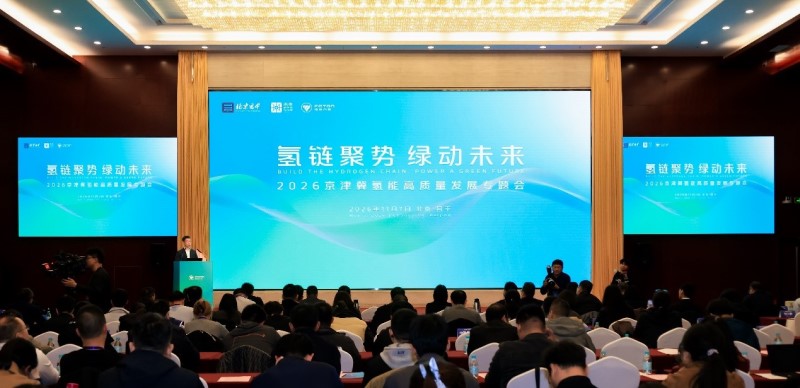
On November 7, the 2026 Beijing–Tianjin–Hebei High-Quality Hydrogen Energy Development Forum was held at the Petroleum Science and Technology Exchange Center in Changping, Beijing, under the theme "Hydrogen Chain, Green Future." A core thematic session of the 2026 Energy Transition Conference, the event was supported by the Beijing Municipal Bureau of Economy and Information Technology and the Changping District People's Government, hosted by Foton Motor, and co-organized by the Zhongguancun Hydrogen Energy and Fuel Cell Technology Innovation Industry Alliance.
The forum was timed to two pivotal milestones — the full launch of the Beijing–Tianjin–Hebei national comprehensive hydrogen application pilot and the implementation of Beijing's new mid- to long-term plan for its hydrogen industry. Representatives from government authorities, research institutes, industry bodies and upstream and downstream supply-chain companies gathered to debate policy direction, technological progress, standards and real-world use cases, pooling expertise in support of high-quality hydrogen development in the capital region.
Broad Consensus Sets the Industry's Direction
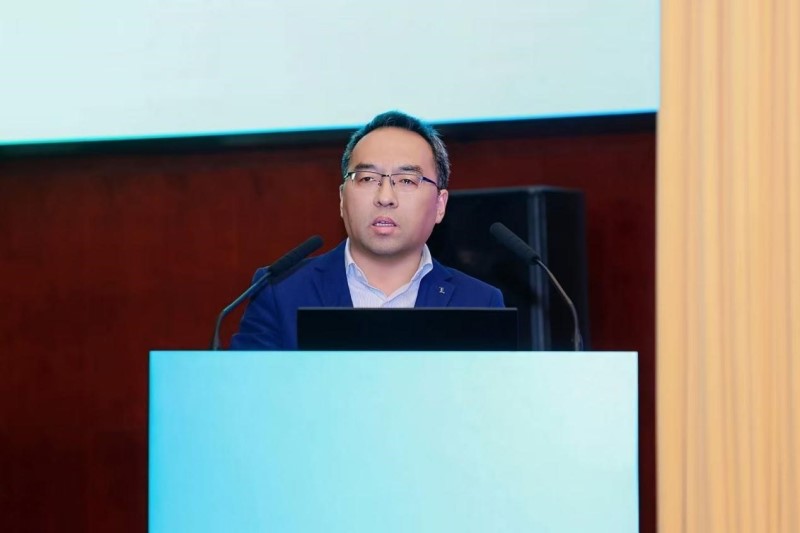
Addressing the forum, Lu Zhenghua, Party Secretary and General Manager of Foton Motor, noted that hydrogen is moving from a technology-reserve phase into the critical stage of scaled application. China's 15th Five-Year Plan has proactively positioned hydrogen among the future industries, and five national comprehensive hydrogen application pilot city clusters have been approved in succession, injecting strong policy momentum into the sector.
As one of the earliest Chinese commercial vehicle makers to work on hydrogen, Foton launched its hydrogen R&D program in 2006. After nearly two decades of accumulation, it has deployed more than 3,600 fuel-cell vehicles and logged over 220 million kilometres of safe operation across urban delivery, regional logistics and trunk-line transport. The company pursues a three-track strategy — pure electric, hybrid and fuel cell — and has built a fully integrated, self-controlled layout spanning complete vehicles, fuel-cell systems and core components. Looking ahead, Lu said Foton will seize the Beijing–Tianjin–Hebei pilot opportunity and work with supply-chain partners to attack the core bottlenecks of efficiency, cost and durability, moving hydrogen commercial vehicles from demonstration toward large-scale commercial operation.
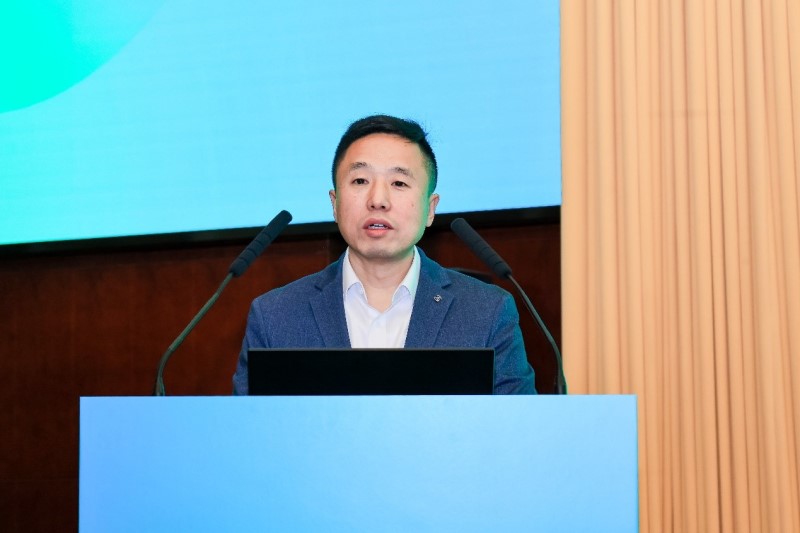
Su Guobin, Deputy Director of the Beijing Municipal Bureau of Economy and Information Technology, said hydrogen is one of the six future industries named in the national 15th Five-Year Plan and is moving rapidly toward scaled commercial use. Beijing released its new hydrogen implementation plan on October 30, steering the industry from "policy blood transfusion" to "market blood generation." Given the strong results of the earlier Beijing–Tianjin–Hebei fuel-cell demonstration, Beijing will, through the pilot city cluster, lay out a hydrogen road network and expand application scenarios to build a template for the full regional hydrogen value chain. He credited Foton as a standard-bearer and chain-leader enterprise of the regional hydrogen industry and called on all parties to jointly improve the capital's hydrogen ecosystem.
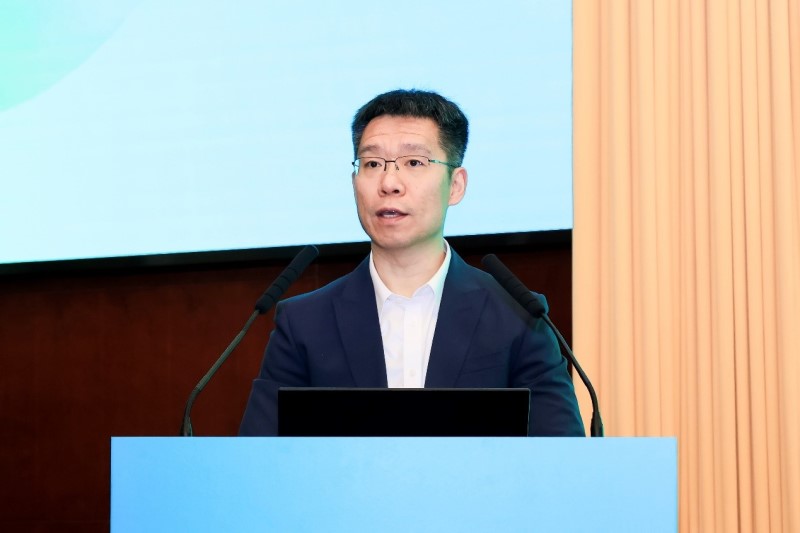
Liu Weihua, Standing Committee member of the Changping District Party Committee and Vice District Chief, said Changping serves as the core carrier of the capital's hydrogen industry and a hub of Beijing–Tianjin–Hebei collaborative innovation. Leveraging the science and innovation strengths of the "Energy Valley" in the Future Science City, the district has clustered industry, academia and research players — four achievements, including Foton's, have been selected for national demonstration, forming a complete ecosystem of "innovation source plus industrial cluster." Changping is now focusing on three tracks — fuel-cell complete vehicles and core components, new electrolysis hydrogen-production equipment, and green hydrogen fuels for energy — to build a hydrogen innovation and integration demonstration zone, and will continue to refine policy, open scenarios and improve the business environment.
In-Depth Discussion: Frontier Insight Across the Value Chain
The forum was structured around two core segments — keynote presentations and a roundtable — creating a professional platform for deep government-industry-academia-research-application exchange and responding comprehensively to the sector's central concerns.
In the keynote session, seven experts from authoritative institutions, leading universities and anchor enterprises presented on seven themes: policy interpretation, industry trends, technological breakthroughs, standards, storage and transport practice, clean hydrogen technology, and vehicle application — offering a full-spectrum view of the frontier of the hydrogen value chain.
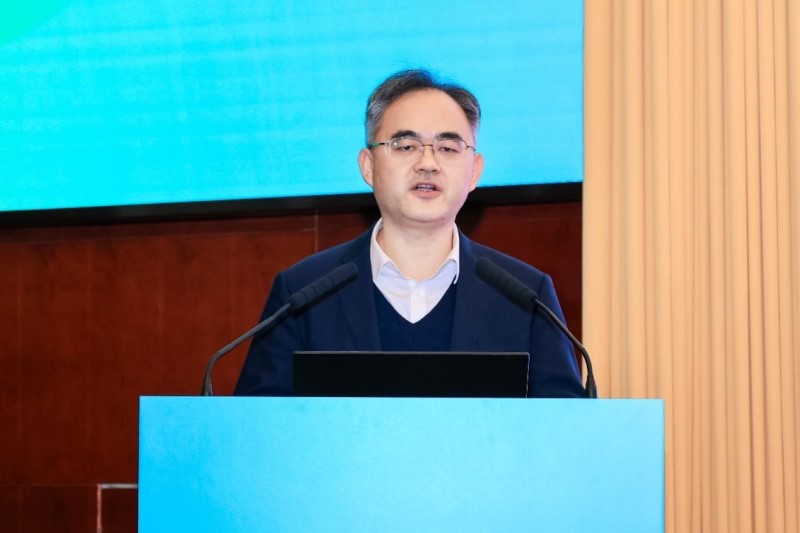

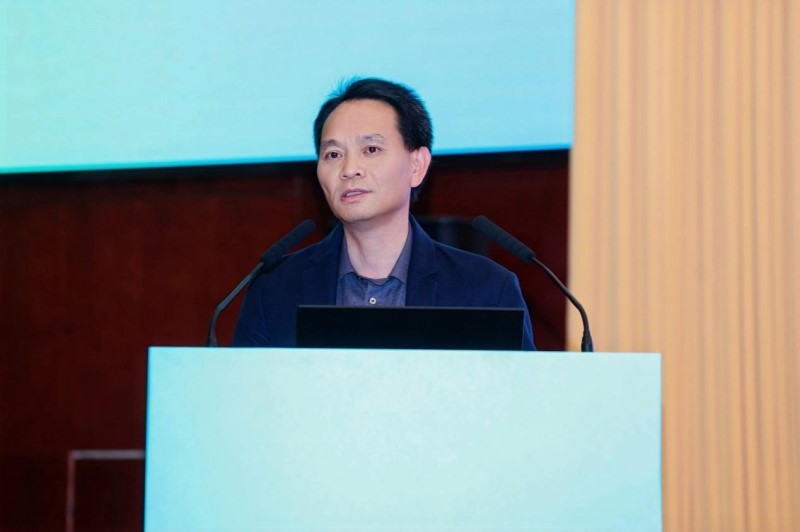
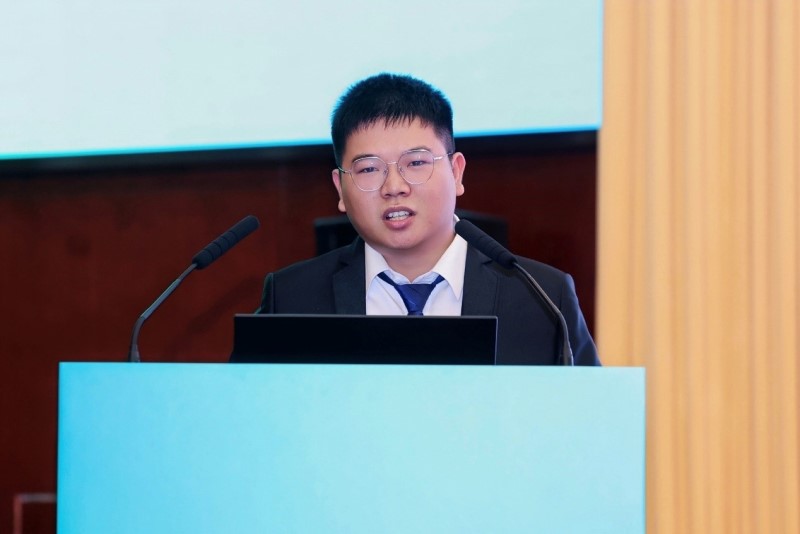
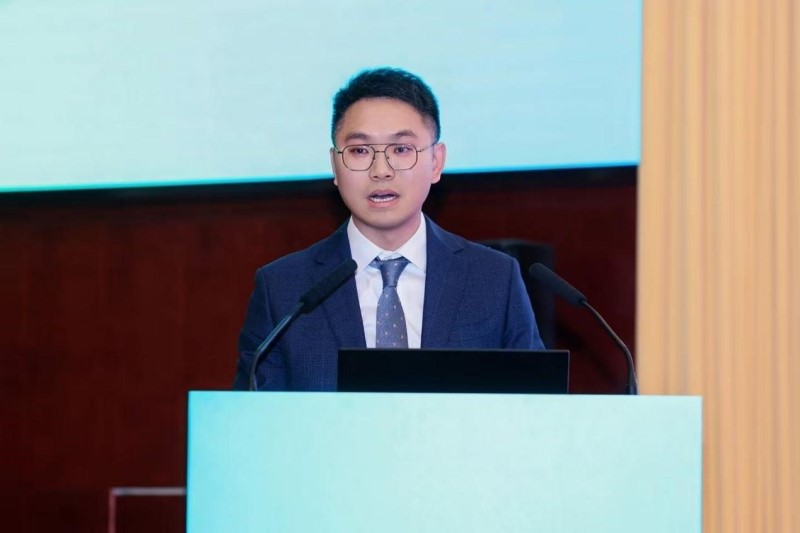

Liu Yongliang, Fuel Cell Technology Director at Foton Motor, pointed out that Foton has consistently treated hydrogen as a key new-energy technology route. Since launching hydrogen fuel-cell technology and product development in 2006, the company has set multiple industry firsts and built a supply chain covering the entire hydrogen value chain. During the 15th Five-Year Plan period, Foton plans to promote 7,000 hydrogen commercial vehicles nationwide. He also shared Foton's liquid-hydrogen heavy-truck R&D practice: the latest generation carries a 300 kW fuel-cell engine, achieves a combined-cycle range of more than 1,000 km, cuts hydrogen consumption to under 7 kg per 100 km, reaches a drag coefficient as low as 0.28, and reduces vehicle weight by 30%. Foton has so far led the drafting of nine liquid-hydrogen commercial vehicle standards and is exploring demonstration operations around the Xuyang Hydrogen Energy site and on expressway corridors serving Shougang's steel transport.
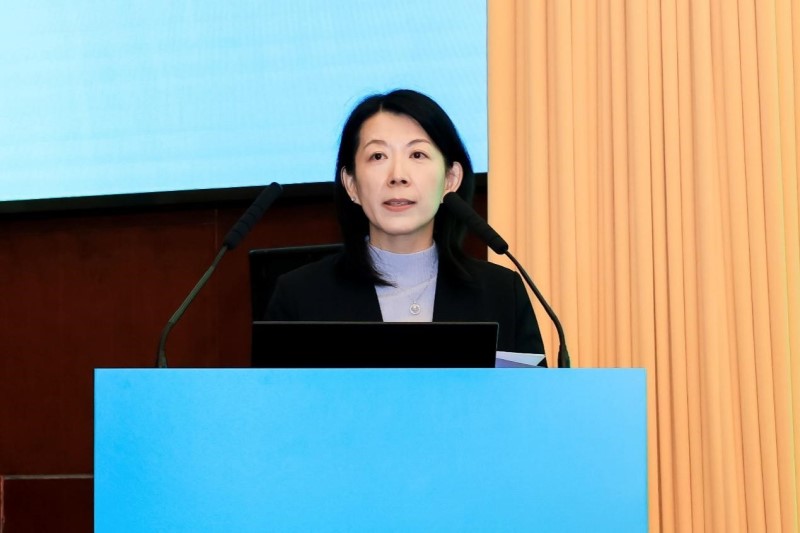
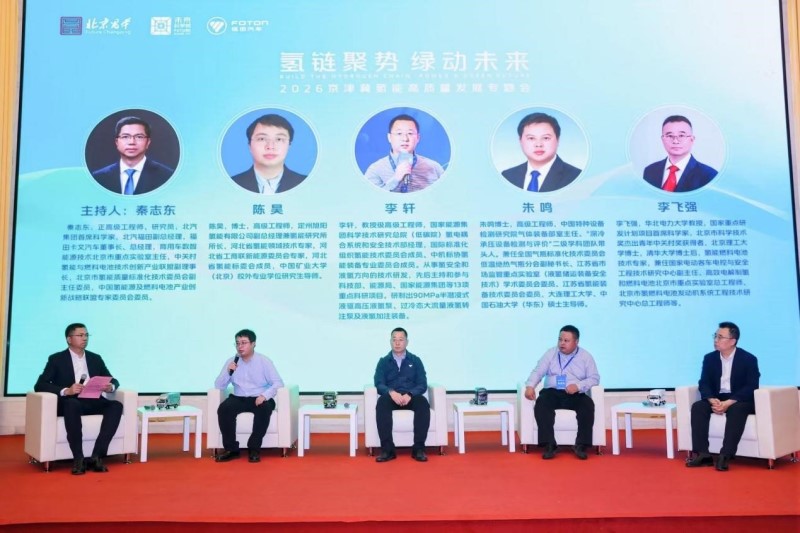
Following the keynotes, Qin Zhidong, Vice President of Foton Motor, moderated a roundtable on the theme "Hydrogen Chain, Future — Collaborative Innovation Along the Hydrogen Value Chain." Four guests from industry bodies, research institutes and universities exchanged views across four dimensions: scenario-driven deployment; technology breakthroughs and self-reliant chain strengthening; storage and transport foundations supported by standards; and power–hydrogen convergence and synergistic chain extension. They shared practical experience and sought solutions to common questions of economics, safety and coordination in the industry's scale-up process.
Chain Synergy and Full-Stack Layout Accelerate Industrial Advancement
Hydrogen is a core pillar of the new energy system and the carbon-neutrality strategy, and hydrogen heavy trucks are a key pathway to zero-carbon transformation in medium- and heavy-duty long-haul freight. As the Chinese commercial vehicle maker that entered hydrogen earliest, Foton has worked the track since 2006 and, through nearly two decades of accumulation, has grown into a domestic leader in hydrogen fuel-cell commercial vehicles and the core chain-leader enterprise of Beijing's hydrogen industry.
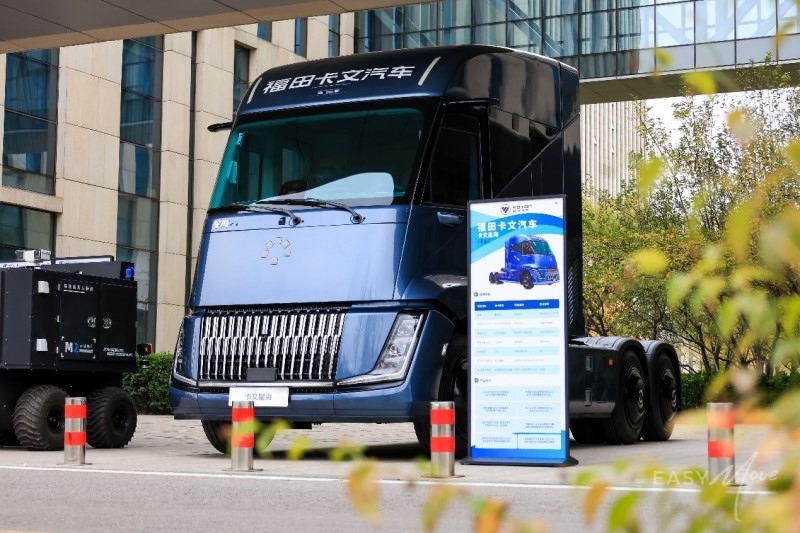
The Cavan Xinghai liquid-hydrogen heavy truck displayed at the venue is the landmark result of Foton's industrialization of liquid-hydrogen technology. Developed on a purpose-built, platformized architecture, it supports multiple energy forms — battery electric, gaseous hydrogen and liquid hydrogen — and carries a 300 kW fuel-cell system with an 80 kg high-capacity hydrogen storage system, delivering more than 1,000 km of range under real operating conditions and precisely matching long-haul expressway logistics scenarios.
Foton maintains its "pure electric + hybrid + fuel cell" three-track technology route and has built a fully integrated, self-controlled layout of "complete vehicle + fuel-cell system + core components" in hydrogen. On the vehicle side, it has broken through key technologies in liquid-hydrogen vehicle application, high-power fuel-cell matching, high-efficiency electric drive control and comprehensive use of cold and thermal energy. On the system and component side, it is tackling high-power fuel-cell integration, thermal management, and high-safety, high-density gaseous and liquid hydrogen storage and supply, while continuing to localize stacks, membrane electrode assemblies, bipolar plates and catalysts.
Building on deep technical accumulation, Foton works with ecosystem partners to complete the full "production–storage–transport–refueling–application" chain. Its hydrogen products now cover major-event mobility support, urban delivery, regional logistics, trunk-line transport and public transit bus operations, firmly placing the company in the industry's first tier. From the 2008 Beijing Olympics to the 2022 Beijing Winter Olympics, Foton's hydrogen vehicles have provided service for major international events, powerfully advancing hydrogen commercial vehicles from demonstration operation toward scaled commercial application.
With the Beijing–Tianjin–Hebei national comprehensive hydrogen application pilot now fully launched and Beijing's 2026–2030 hydrogen industry implementation plan officially in force, the industry has entered its scaled window. Foton is seizing the dual policy and market opportunity, using frontier products such as its liquid-hydrogen heavy truck as the core lever, and deeply integrating into the planned "6 main corridors + 11 branch lines" hydrogen expressway network. By strengthening upstream and downstream collaborative innovation and jointly attacking common bottlenecks in efficiency, cost and service life, the company is expanding trunk-line heavy truck and green logistics applications — contributing Foton's strength to China's green and low-carbon energy transition.